


-
A nonprofit community hub in Richmond, Virginia that serves older adults, individuals with disabilities, and caregivers by providing support, resources, advocacy, and services to help people live independently and with dignity across Central Virginia
-
A nonprofit community hub in Richmond, Virginia that serves older adults, individuals with disabilities, and caregivers by providing support, resources, advocacy, and services to help people live independently and with dignity across Central Virginia
-
How can we inspire young people (age 30-50) to donate based on their behaviors and motivations
Methodology
-
Looking at behaviors of 30-50-year-old donors in the U.S.
-
Desk top research and competitive research about other older adult services in the Richmond, VA area
-
Multi-channel survey of 170 Richmond locals (Facebook, Reddit, LinkedIn, Personal Network)
-
Interviewed 8 survey participants on what messaging is most likely to drive action to donate

Meet The Richmond Young Donor
30-50 years old
Richmond, Henrico, & Chesterfield
HHI: 150k-250k
Female-leaning
Balancing between career and family
Community oriented optimists
Describes themselves as:
Generous
Kind
Open-minded
Self-assured
Finds belonging in
friends, family, neighborhood, and untraditional ways
OVER formal institutions
Find them on:


Lifetime of Richmond Renaissance Woman Donor
How she starts: Age 25-34
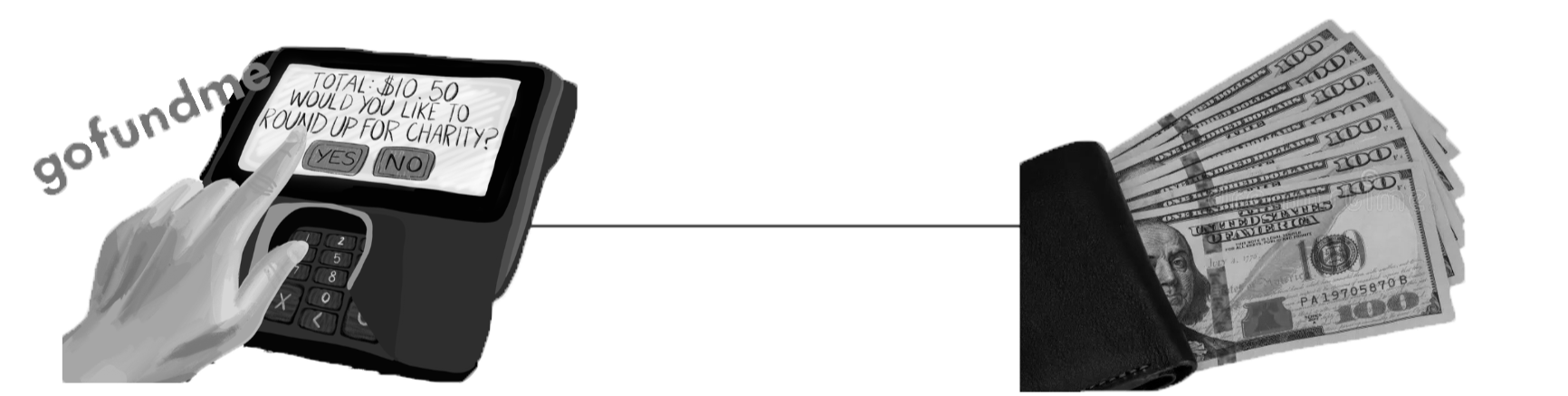
Gives micro-donations ($10–20) via random gofundmes and rounding up at check out
How she ends: Age 45–50
Have the capacity for larger gifts ($25–100+) through monthly or annual donations
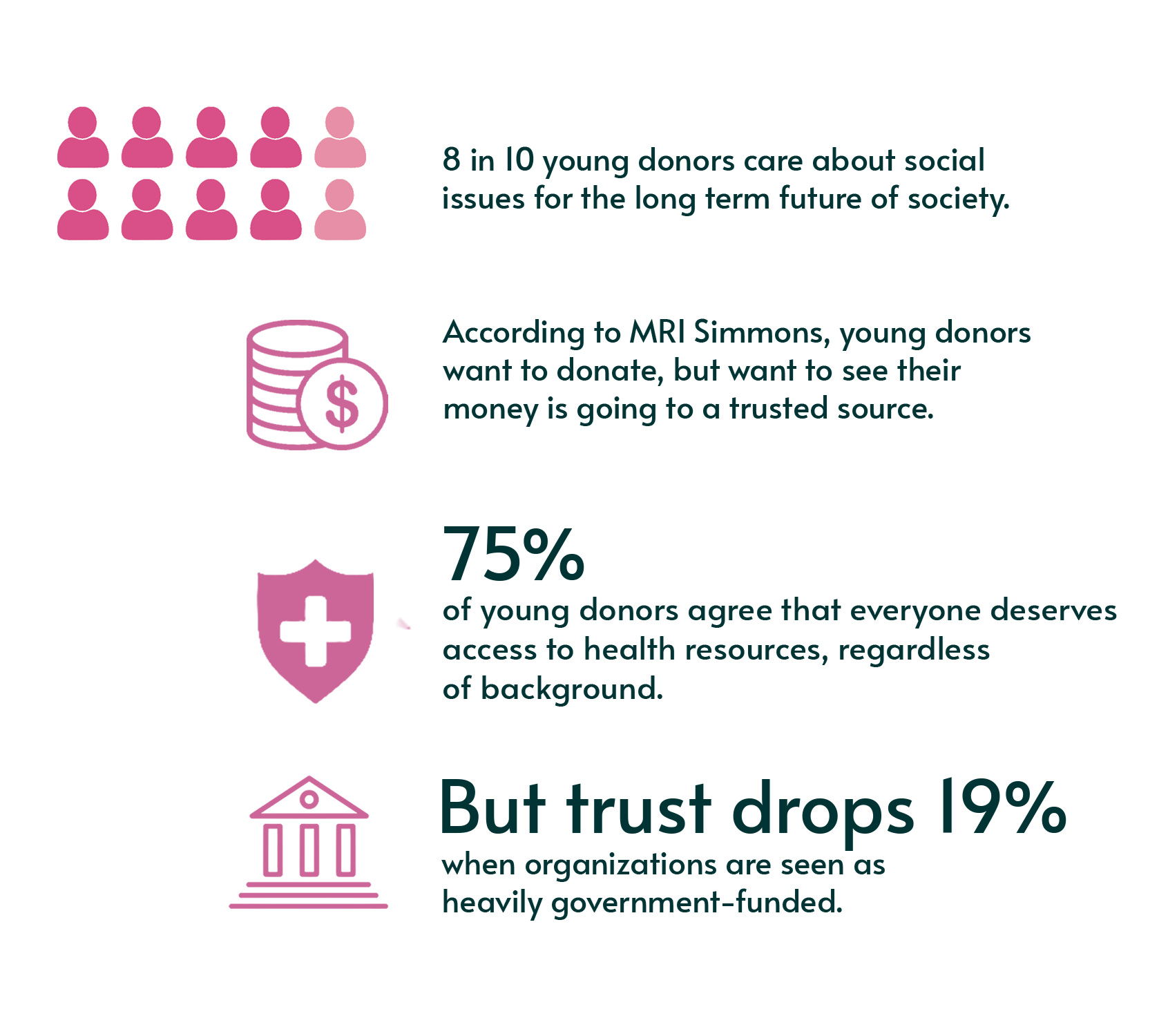
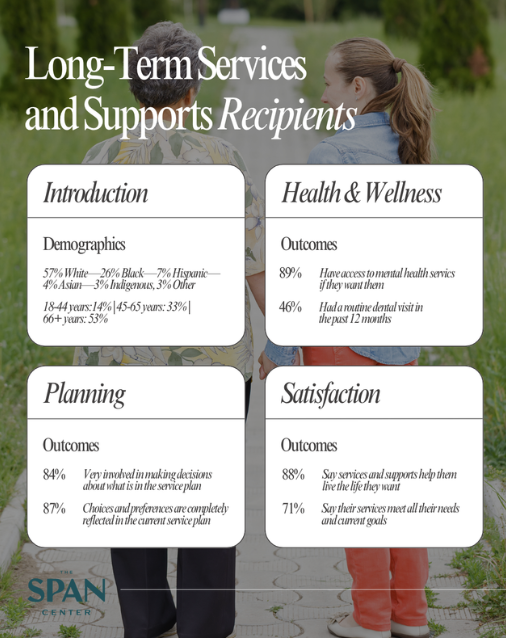
While most people believe healthcare should be accessible to everyone, many hesitate to donate when they learn an organization receives government funding.
Overlooking the fact that public funding rarely covers the full cost of services. As a result, government-funded nonprofits are often forced to cut programs that communities rely on.
Basically
When message testing
87%
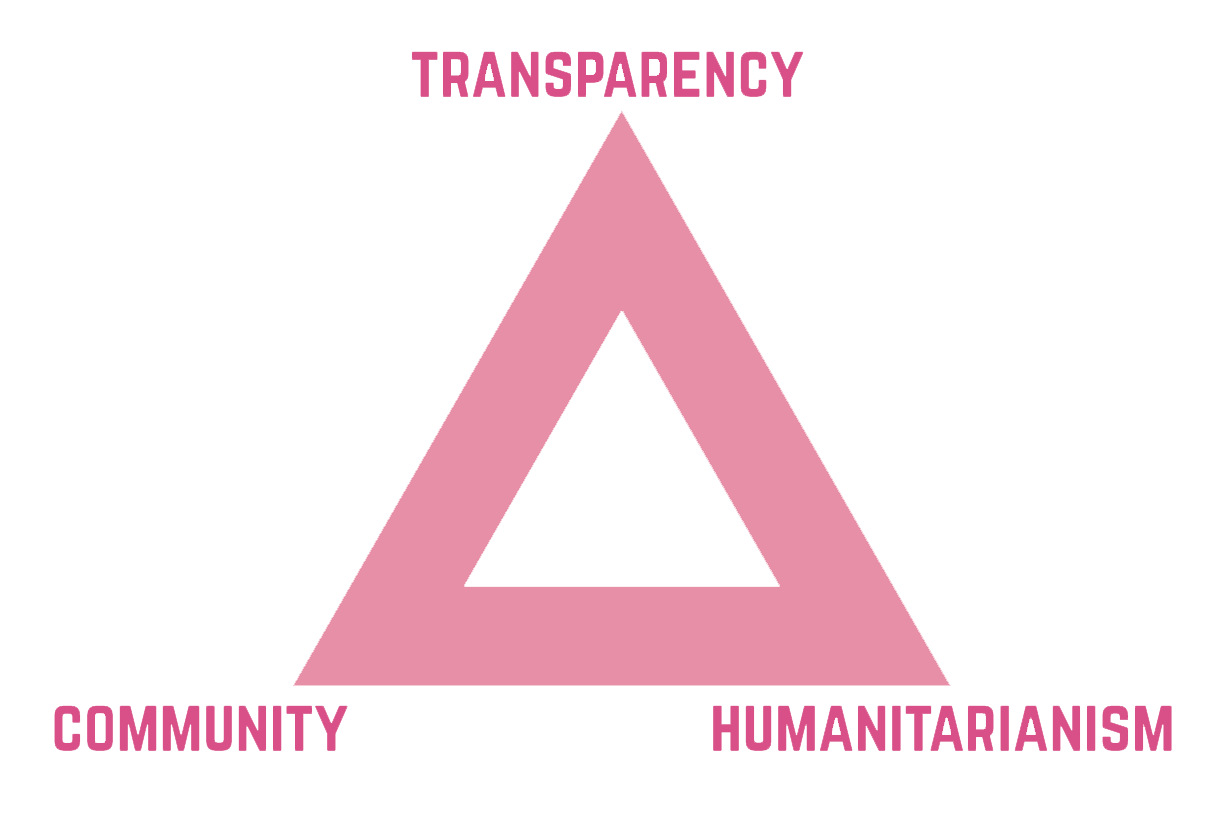
find non-profits more appealing than government funded programs
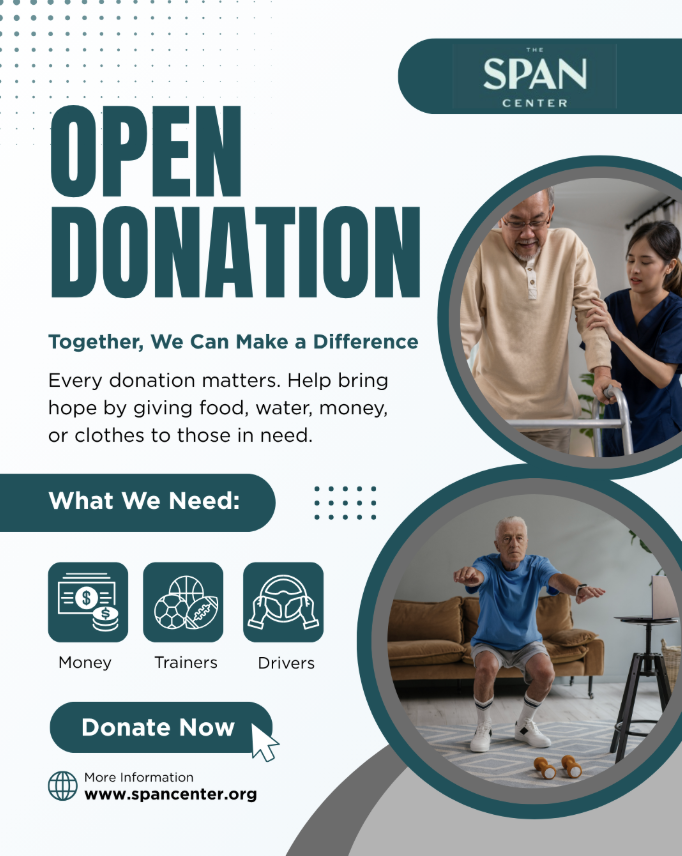
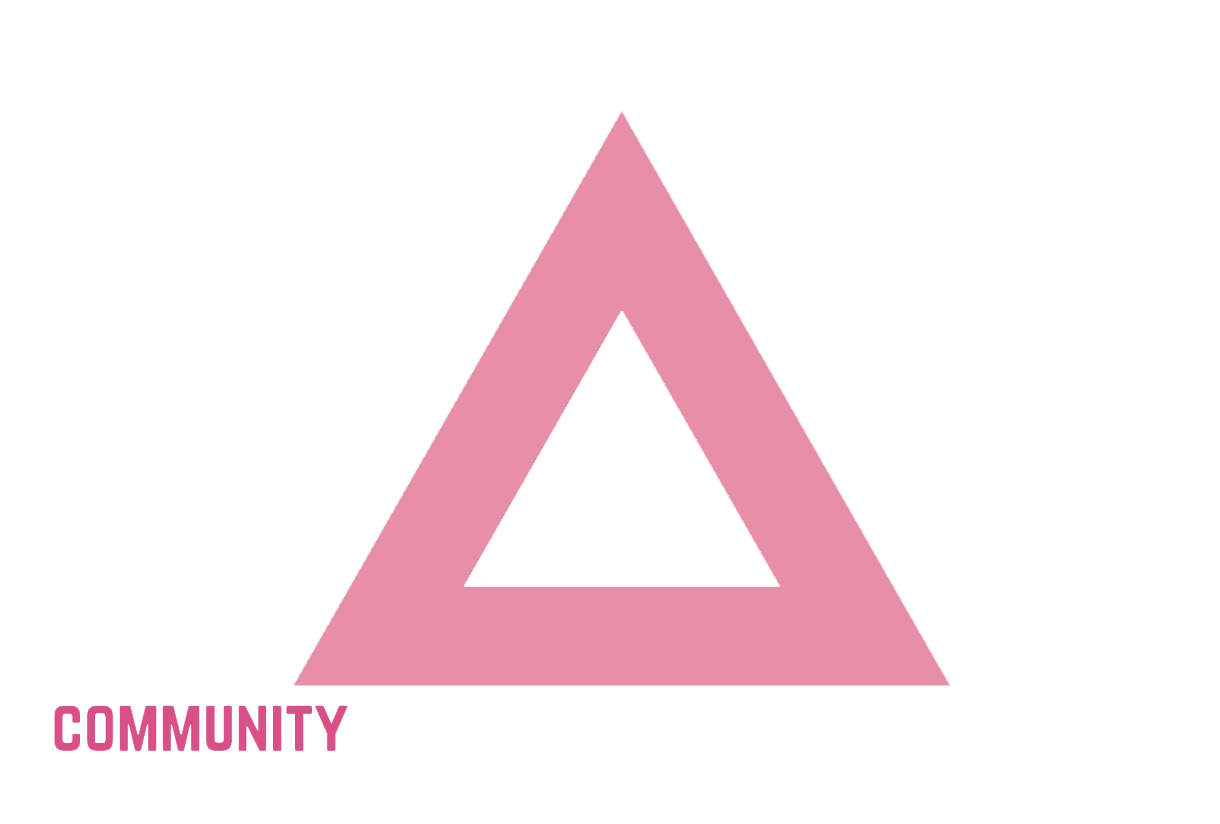
Richmond Renaissance Woman Donor Priority Triangle
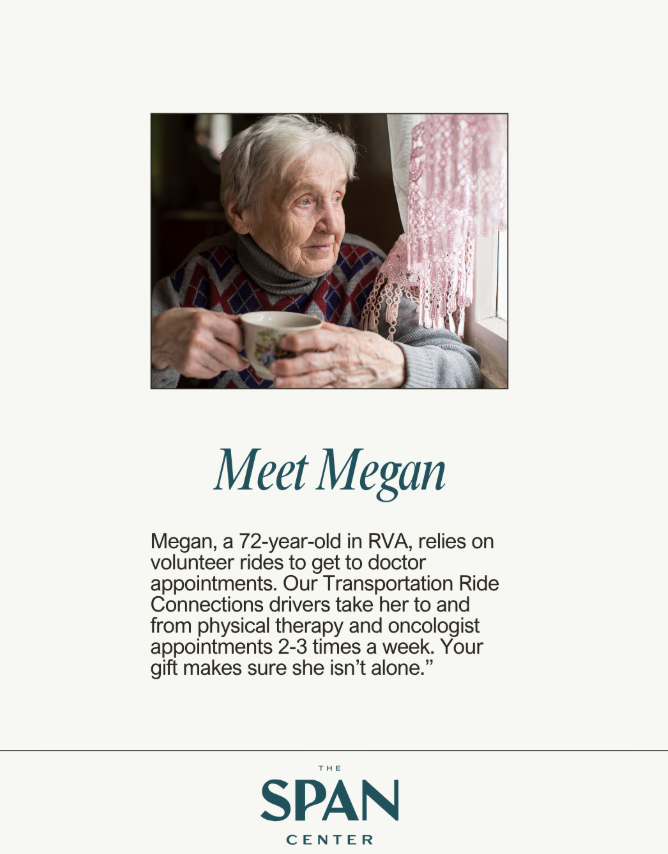
Focus on Local
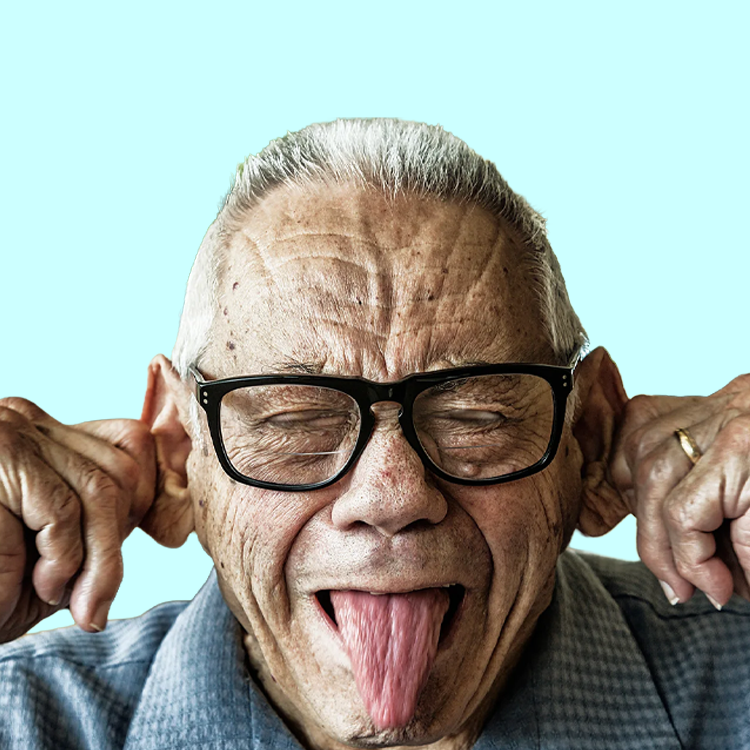
A value of young donors, by showing RVA is in need of older adult services.
54% of young donors track their money closely
Less than 8%
think older adults are taken care of/supported in the Greater Richmond area
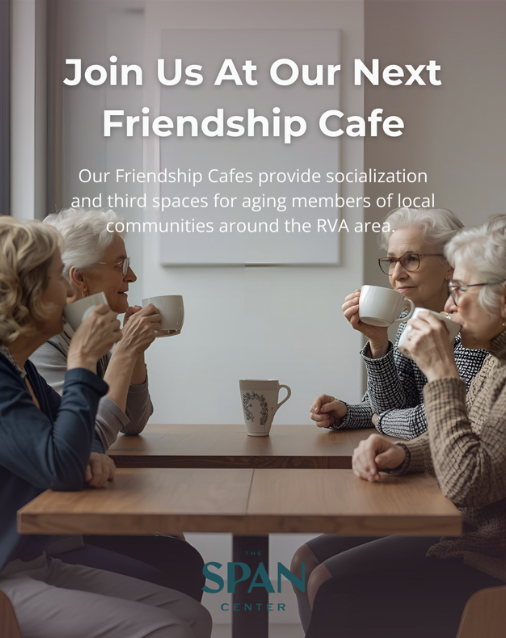
66%
of survey respondents said being given a clear explanation of how their donation will be used (e.g., provides 50 meals) makes them most motivated to donate to a cause.
of respondents say causes resonate most when they affect family, lived experiences, or future generations.
The Key
Within media, frame government funding as supportive, not sufficient. Alongside, show where the donations goes.
Urgency: Motivates through time-sensitive requests.
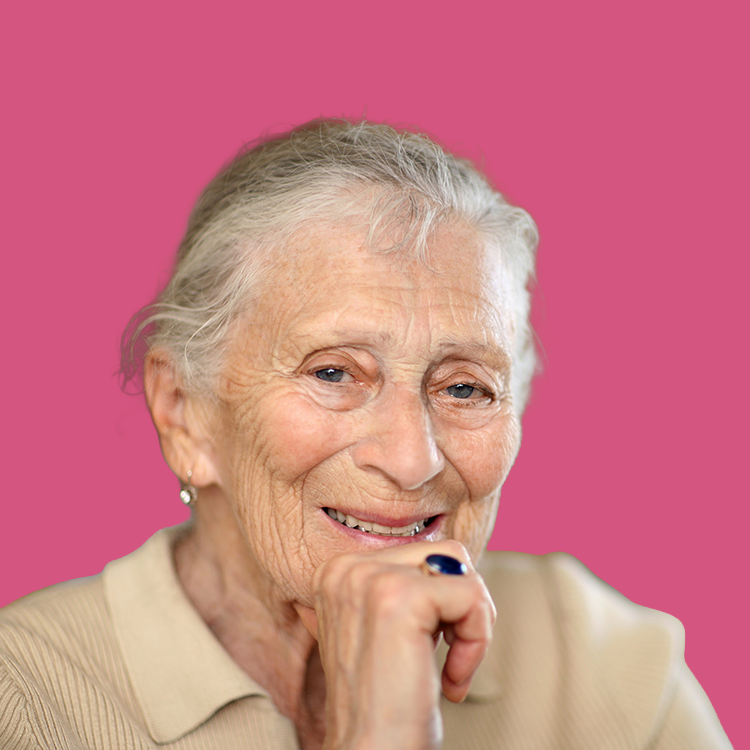
Personal Stories: Builds empathy and human connection through storytelling.
75%
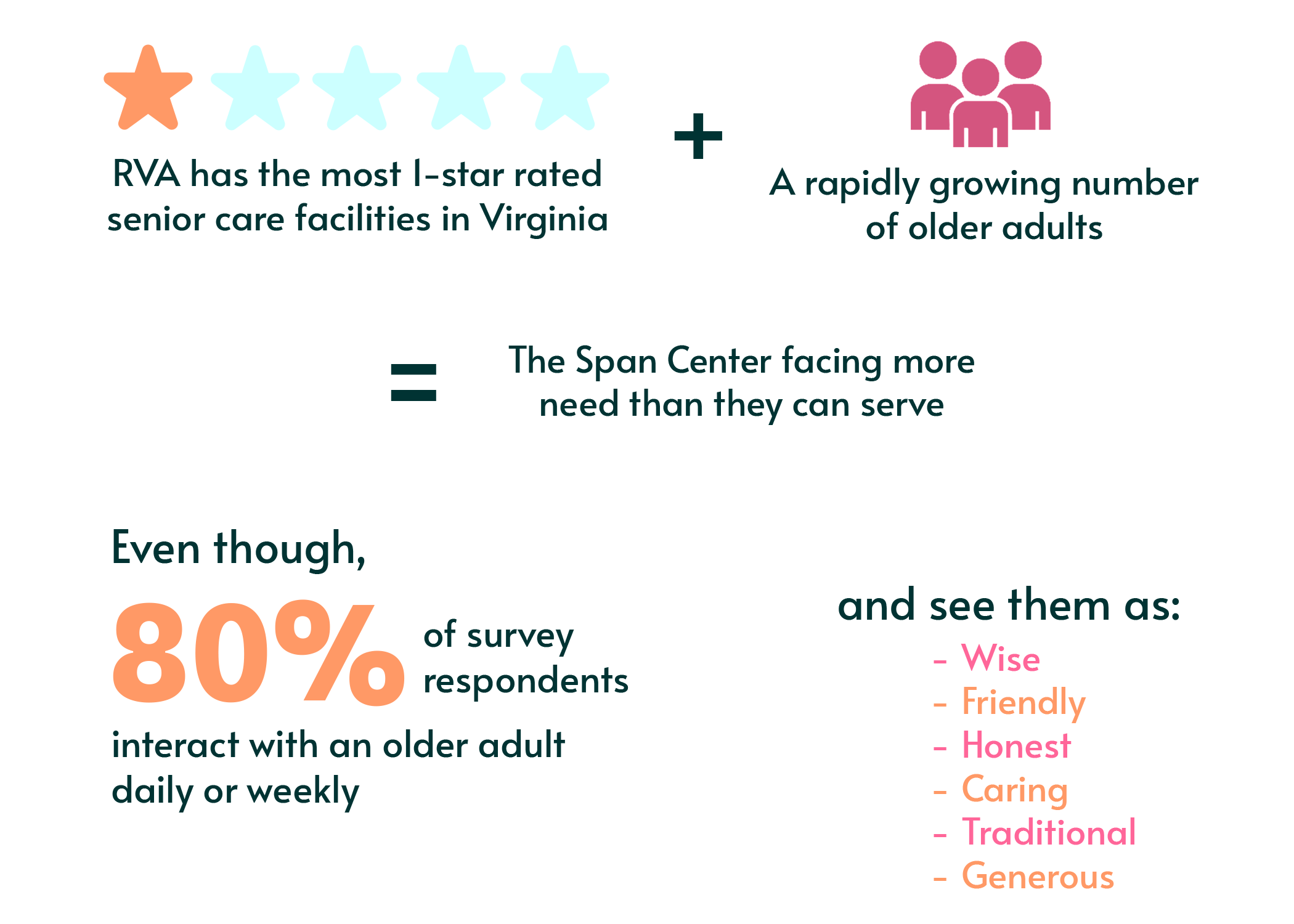
And even knowing that survey respondents:
Majority believe that society does not value older adults.
Even though, people have reason to donate.
Span Center is still struggling to keep up with monetary need.
Through message testing, we found that messaging with
community purpose motivates young donors to take action to donate.
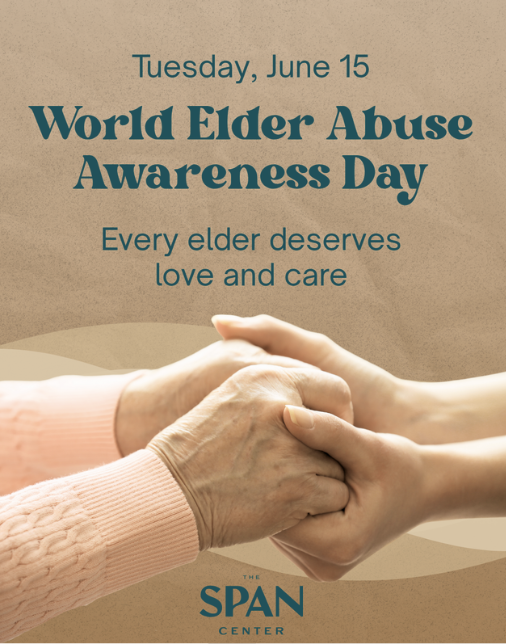
Local Connection - Appeals to community pride and place-based identity.
“We’re all aging.” - Leverages self-reflection and empathy by imagining the donor’s own future.
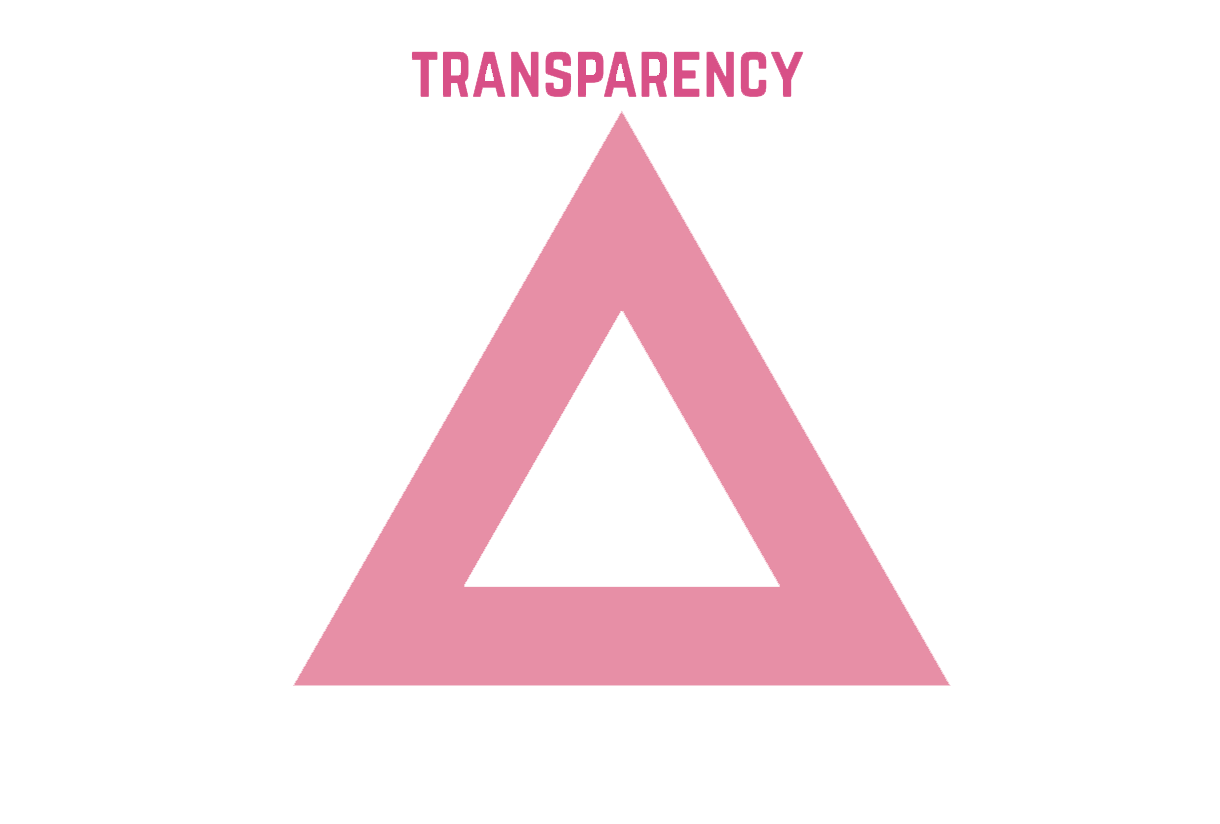
They are intentional with money management.
They like knowing where every dollar goes.
They know that risk comes with reward.
The Span Center needs to keep them up in the loop on where their money is going.
Tangible Impact - Emphasizes clear, concrete outcomes from a single donation. Works well for people motivated by seeing direct results.
Statistics & Facts - Appeals to logical, fact-driven donors who want data-backed impact.

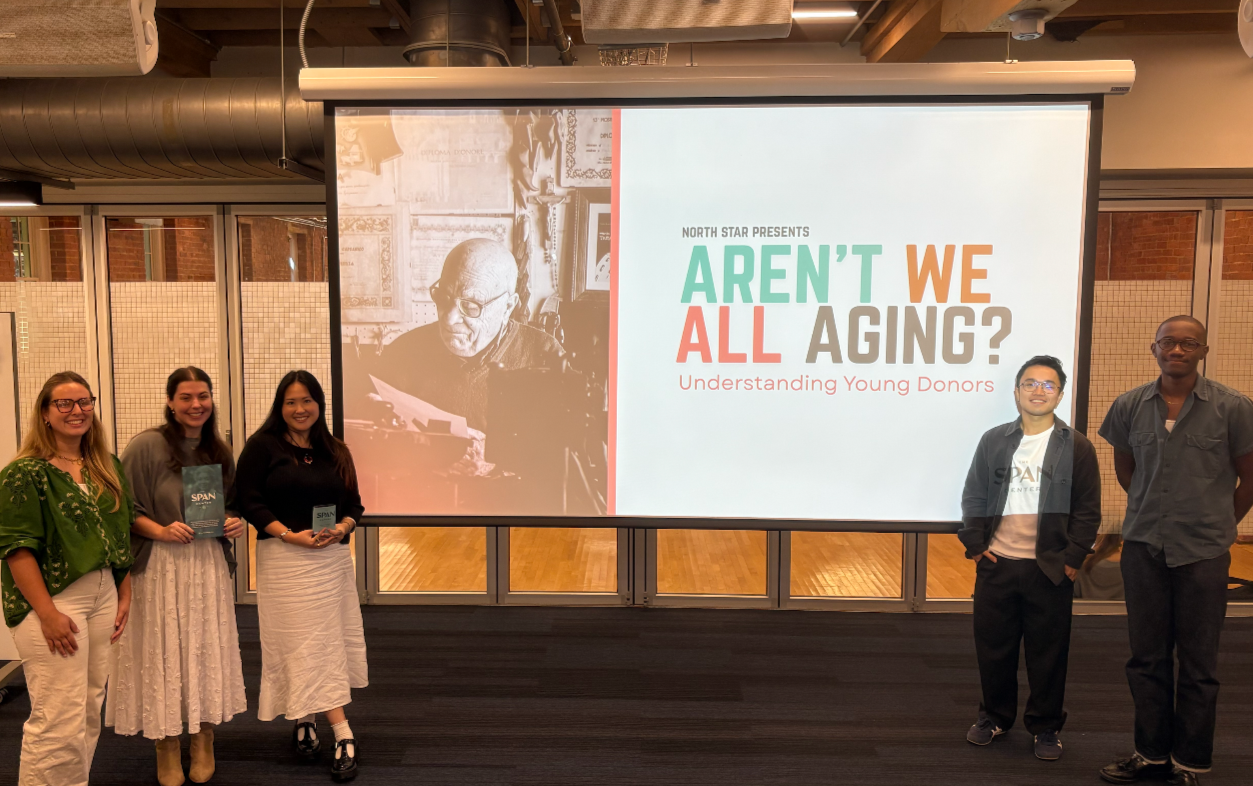
Team:
Leah Glass (ST)
Cliff Maske (ST)
Jack Nguyen (ST)
Michelle Kim (ST)